
Blog / Auffenberg Volkswagen Service

Blog

All Auffenberg Volkswagen Service Auffenberg Volkswagen Research Shiloh Volkswagen Dealer Shiloh Volkswagen Service Hatchback Sedan Sport Utility Vehicle Shiloh New Car Financing Auffenberg Volkswagen Finance Shiloh Volkswagen Financing
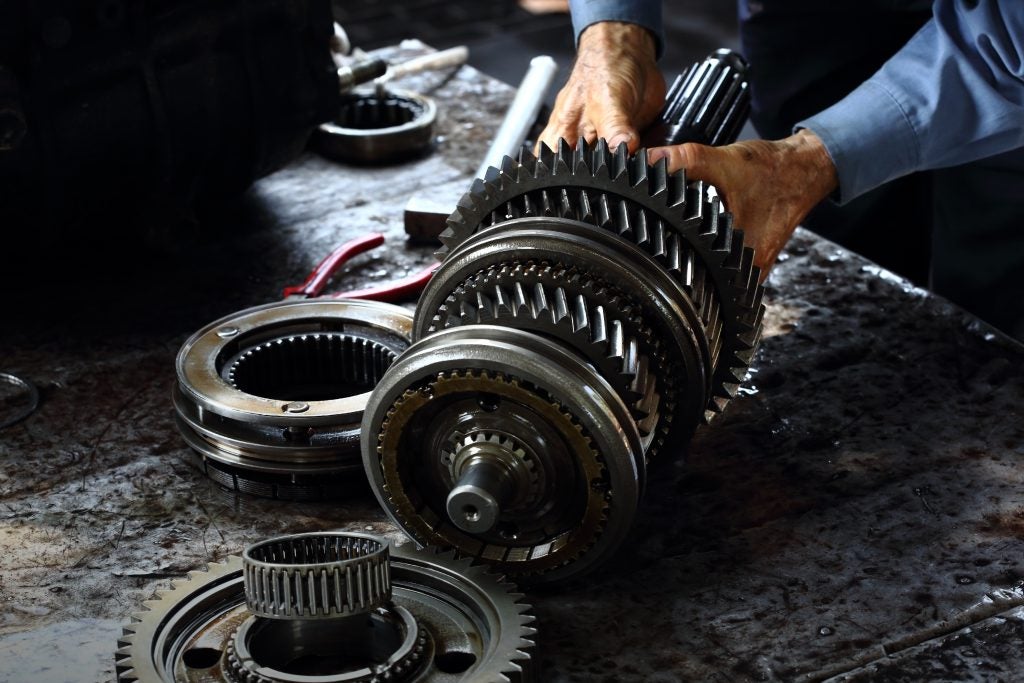
A mechanic holding a partially disassembled transmission.

Recognizing When It's Time for Transmission Service for Your Volkswagen

Your Volkswagen transmission features hundreds of moving parts that rely on friction to function. The constant motion of these parts also increases your transmission's temperature. Because of the frequent exposure to friction and heat, your transmission needs regular maintenance at your Volkswagen dealer. Here are some signs that you need to take your VW in for transmission service. more Incorrect Gear If your vehicle does not move as expected once you switch it into a specific gear, it might have one or more issues. You should get your car checked to see if there are problems with its shifter, shifter cable, valve body, or fluid levels. This issue is dangerous to yourself, your passengers, and other drivers, as you may accelerate when you want to decelerate or vice versa Noises in Neutral Your gears should shift silently. When you hear unusual noises while switching gears, your torque converter is likely to have been affected. This converter is the part of your transmission that connects to the engine. It uses transmission fluid to transfer the engine power to the transmission gears, allowing your car to move. High Revving/Slipping Fluid leakage, water infiltration, contamination, and wear and tear of transmission components can lead to high revving and slipping. Regardless of the cause of this issue, you will need to service your transmission quickly to keep your vehicle functioning. Delayed Shifts If your car takes more time than usual to shift into another gear, your transmission might have a problem. To keep yourself safe and prevent engine damage, you should get this checked out. Fluid Leak VWs need different fluids to run correctly so that any leakage may cause trouble. Your transmission fluid is either red or brown. If it’s brown, or you see puddles of red or brown fluid on the ground, then you need service. If you are uncertain if your car is leaking fluid, leave a piece of cardboard or paper under it overnight. Any fluid that leaks will be apparent in the morning. Missing Gears If your vehicle misses certain gears, you should take it in for service before it experiences further damage. Missing gears are a definite sign that you’re having serious transmission troubles. Burning Smell The smell of burning rubber suggests that your gears might be grinding against each other or that fluid is dripping onto the engine and overheating. Instead of trying to determine the source of the smell yourself, you should take it to the dealership for maintenance. Shakes/Jolts Your gear changes should always be smooth and silent. If you notice any shaking, kicking, or jerking when you change gears, don't wait! Take it in for maintenance before the problem gets worse. Overall, there are many signs that your car's transmission needs service. If you're a Volkswagen owner in or around Shiloh, IL, visit Auffenberg Volkswagen today to keep your vehicle in tip-top shape!
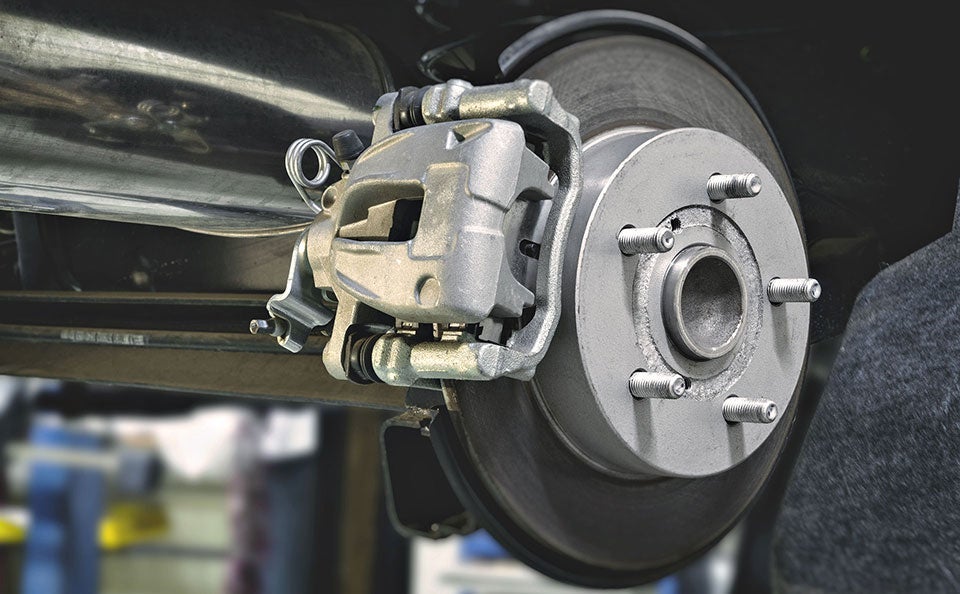
An image of a new set of brakes installed before the technician places the wheel back on the car.

3 Signs Your Volkswagen Needs a Brake Repair

​​​​​​​​​​​​​​​​​​​​​​​​​​​​Good brakes are essential for driving safety, as they give you complete control over your Volkswagen's speed. The braking system generates heat as it works, and combined with natural wear and tear on components, will cause parts to fail. As your Volkswagen dealer, we want to tell you some of the signs you need to visit us for a brake repair. Check out three signs you need a brake repair at your local Volkswagen dealership. more Brake Warning Lights Your Volkswagen has two brake lights that will automatically light up if any problem with the brakes is detected. Sensors are connected to all the major components of your braking system and monitor the system for any signs that something is wrong. If a problem is identified, the relevant sensor informs your computer, and the specific warning light will illuminate. The ABS warning light illuminates if the ABS isn't working correctly. This system prevents your wheels from locking if your car slides on a wet or muddy surface. The brake light lights up if your handbrake is still engaged, if your brake fluid is low, or for any other braking-related issue. We'll examine your brakes and repair the problem. Pulling to One Side When you hit the brakes, the calipers clamp against the spinning wheel rotors and generate friction, and this friction brings the wheels to a stop. The braking system applies equal pressure to each caliper to ensure that all four wheels stop at the same time. If your Volkswagen pulls to one side when you brake, one of the calipers is damaged. The calipers are positioned about the wheel rotors and are held open by pins. Brake fluid forces the pins out of the calipers, which causes them to close on the rotors. A jammed or rusted pin could remain in place, and its caliper won't engage. The wheel will continue to turn until brought to a halt by the other wheels stopping. Our technicians will examine the caliper and repair or replace it to fix this problem. Brake Fluid Leak Brake fluid provides the hydraulic power that allows the braking system to work. The fluid is highly pressurized to supply sufficient force to bring your Volkswagen to a stop regardless of its present speed. Over time, seals can become worn, rubber brake hoses can crack, metal brake lines can corrode, and fluid will leak. As the system loses fluid, your brakes will become less responsive, and your braking distance will increase. If you suspect a fluid leak, contact our service department ASAP. We'll examine your braking system, discover leaks, and repair them. Once any leaks are sealed, we'll refill your brake fluid. Brake problems are quick and affordable to repair and will give you peace of mind. Contact us today at Auffenberg Volkswagen in Shiloh, IL.

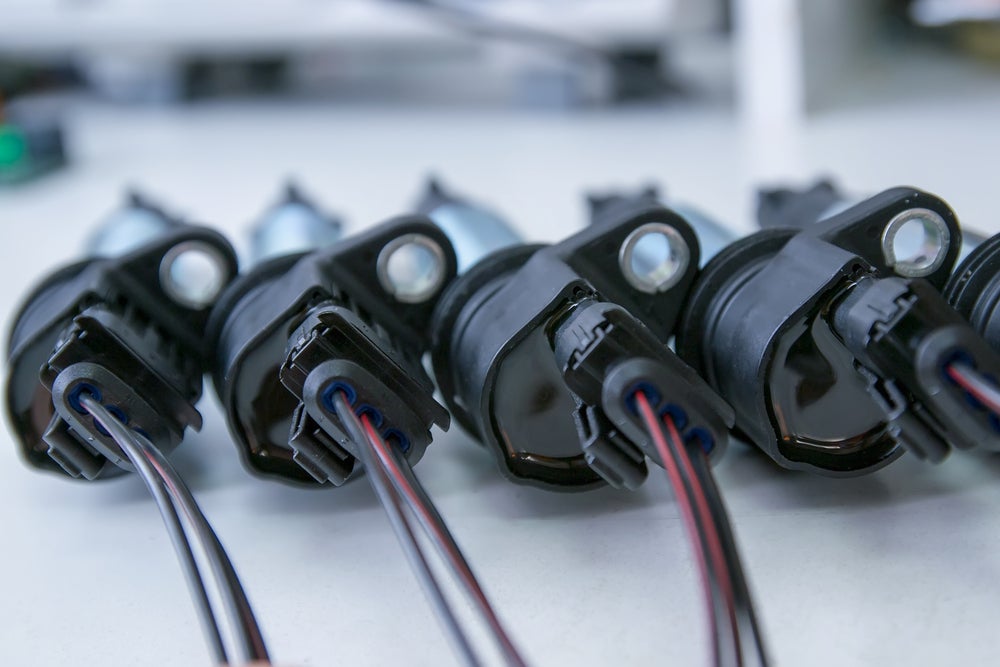
A set of ignition coils ready to be installed

7 Signs of a Faulty Ignition Coil

The ignition coils in your engine generate high voltage for the spark plugs to ignite the fuel inside the combustion chambers. As the coils play a pivotal in the combustion process, you'll soon notice if one or more of them malfunction. Here are seven of the most common indications that you need to visit your local Volkswagen dealer to repair or replace your coils. more Misfiring Spark Plugs As spark plugs depend on the ignition coils for a ready supply of electricity, a faulty coil will cause its corresponding spark plug to misfire. A misfiring engine will cough and sputter as one or more spark plugs fail to ignite the fuel on time. Rough Idling and Stalls Misfiring usually becomes most notable when the car is idling, such as when you're waiting in traffic or at an intersection. If the misfiring caused by a faulty coil is particularly bad, your car might even stall. Weaker Engine Power With at least one cylinder misfiring, an engine weakened by a malfunctioning coil will also lose power. You'll find it harder to gain a quick burst of speed when attempting to accelerate. Lessened Gas Mileage Despite the bad coil and spark plug failing to work properly, the engine keeps injecting fuel into a misfiring cylinder. This means fuel is being guzzled inefficiently and your gas mileage will plummet. Black Exhaust Smoke With a malfunctioning coil, unburned fuel inside the cylinder can start leaking back into the exhaust pipes. As it does, the fuel may ignite, causing loud backfiring. You may also see black smoke emerging from the tailpipe behind you. Slow-To-Start Engine Lacking the necessary electrical power to generate sparks properly, an engine with a faulty coil will struggle to start in the morning. This problem will be worse during winter or with more than one bad coil. Blinking Check Engine Light With a bad coil, you'll soon see the check engine light come to life on your dashboard. Although you won't immediately know what caused the light to switch on, a technician can quickly figure out and fix the underlying problem. How Your Volkswagen Dealer Can Check a Bad Coil An experienced technician can use a diagnostic tool to read fault codes in your car's system. They can inspect any misbehaving coils for signs of damage to the wiring, anti-rotational tabs, or plug connections. They can also test the coil to see if it can generate more than the necessary 10.5 volts and perform various other tests. Finally, they'll repair, refurbish, or replace the faulty coil. Visit Auffenberg Volkswagen in Shiloh, IL, today to have your coil or spark plug problems resolved. We're a local full-service dealership offering a broad range of new and used cars at competitive prices, along with excellent vehicle maintenance services.

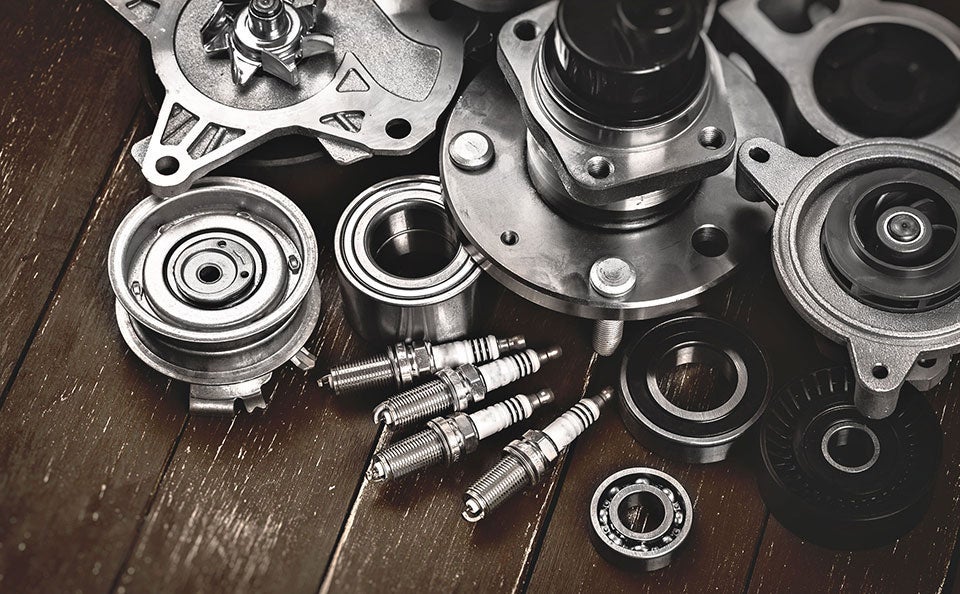
A selection of varying brand-new car parts sitting on a table.

Why OEM Parts Are Crucial for Your Volkswagen's Performance

Volkswagen vehicles are designed to very high-performance standards. If you wish to maintain the overall quality of your vehicle's handling, acceleration, suspension, shifting, braking, and driver comfort over time, it's important to have only genuine VW OEM parts installed at your local Volkswagen dealer. Otherwise, your car's performance may well begin to suffer.  Let’s examine several reasons why OEM parts are crucial for your Volkswagen’s performance. more OEM Car Parts Have Perfect Compatibility Volkswagen designs all OEM car parts to fit perfectly into the car. Each replacement part has identical technician specifications and dimensions to the original part. This means that with an OEM component installed, your vehicle continues to operate and perform exactly as the manufacturer intended. Generic car parts, by contrast, are often imperfectly compatible, an issue the driver might not discover until months or years later when more serious faults begin to emerge. OEM Components Have Guaranteed Quality The quality of VW OEM components is guaranteed by the manufacturer, often with a warranty to back it up. But generic car parts are always something of a gamble for the buyer. You never know the component's real quality until you've been using it for a while, by which time poor-quality craftsmanship may have caused damage to your car. Keep Your Warranty Valid with OEM Components Vehicle warranties are often voided by the use of generic car parts. This makes sense because Volkswagen loses control over the quality and performance of the car once you install components designed by other manufacturers. So if you have a valid VW warranty, always check the stipulations regarding OEM components. You may need to use only genuine VW parts to keep it valid. Volkswagen Parts Are Built to Last Longer Longevity is an important consideration when it comes to choosing car parts. Most drivers want to optimize vehicle performance over the longest time possible. OEM car parts allow you to do this. With perfect compatibility and superior quality, you have minimal wear and tear and a reduced risk of malfunctions, which equates to longer overall vehicle lifespan. Your Safety May Be Impacted By Generic Parts Performance is also important when thinking of driver and passenger safety. Unreliable generic car parts can wear down rapidly or malfunction unexpectedly, which can put you at risk on the road. Have OEM Components Promptly Installed at Your Volkswagen Dealer The technicians at our local dealership can explain and demonstrate the difference that OEM car parts can make to your car's performance. As OEM components are precisely designed for your car, they are also quicker to install, meaning you spend less time waiting for repairs.  Have genuine VW parts installed in your car today at Auffenberg VW in Shiloh, IL. We're a locally trusted full-service dealership that serves as the region's one-stop shop for all things Volkswagen.

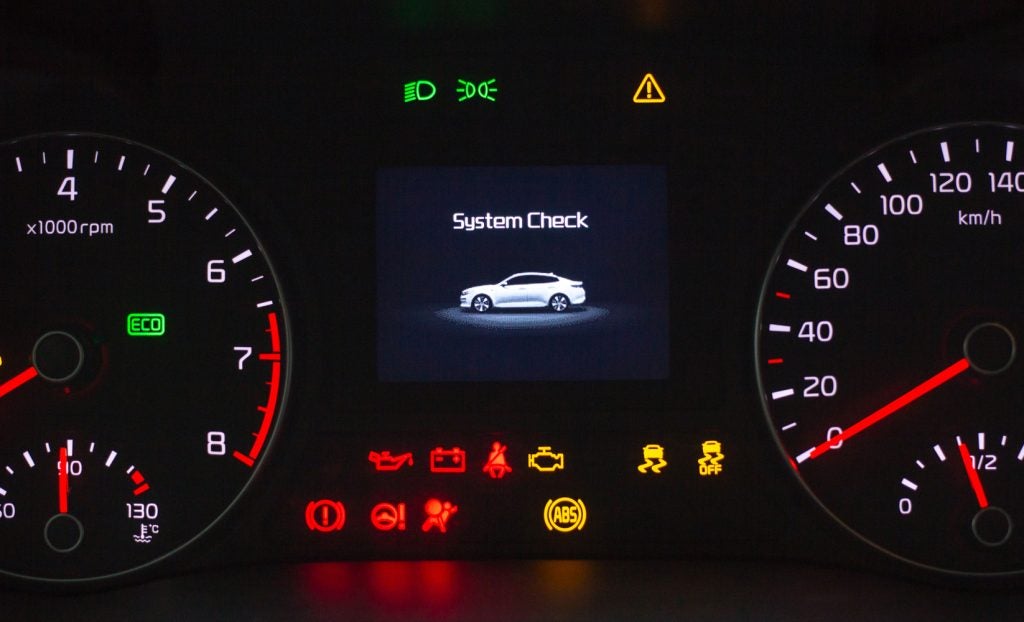
An image of a car dashboard with all of the indicator lights ignited, signifying major troubles that could require an engine diagnostic.

6 Benefits of Getting Engine Diagnostics at Your Dealership

Many car owners only know that there is something wrong with their engine when they see the 'Check Engine Light'.However, opting for quarterly engine diagnostics at a VW dealership is a better option. From expert diagnosis by factory-trained technicians to warranty protection as well as outstanding quality, let’s explore six benefits of getting engine diagnostics at your VW dealership over a local repair shop. more Expert Technician Diagnosis Going to a certified Volkswagen dealership is the only way you'll be certain that your car will be worked on by a professional. Our mechanics are equipped with advanced diagnostic tools such as Onboard Diagnostics Systems, car scanners, and cloud-based detection systems. These advanced tools can easily detect faulty sensors, spark plugs, or engine control modules. You will also get comprehensive diagnostic reports with detailed data logs, sensor readings, and system performance metrics. Such detailed reporting will help you identify trends and stay on top of your engine's health. When you see a check engine light, call your local VW dealership right away. Quality Assurance Dealerships have strict quality control measures that ensure your engine is not only in perfect working order but also that it meets safety standards. For example, Volkswagen dealerships only use Original Equipment Manufacturer (OEM) parts for repairs. OEM parts are quality, safety-approved parts that are specially designed by manufacturers to ensure the integrity of their cars during repairs. Access to the Latest Software and Technical Service Bulletins (TSBs) VW dealerships have access to the latest software and TSBs because they have a direct connection to the manufacturers. Dealership technicians will perform reliable software updates to your vehicle's computer system, including your engine control module (ECM) and transmission control module (TCM). At a VW dealership, you can also rest assured that you'll get all the new features because the technicians have all the best resources from Volkswagen at their disposal. They won't miss any issues either because they use TSBs that show how to diagnose more puzzling car problems. Ensure Vehicle Safety and Reliability Problems with critical engine control systems often manifest as issues such as stalling, rough idling, transmission issues, or stuck cooling fans. With time, these issues only get worse.As you might have guessed, the more severe the damage, the higher the repair costs. The diagnostic checks at a VW service center can catch potential problems before they cause costly damage, or worse, put you in danger while driving. Protect Your Warranty Regular diagnostics and proper maintenance at your dealership preserve your vehicle's value and also safeguard your warranty coverage. Dealerships keep detailed service records that prove to potential buyers and manufacturers that you followed standard maintenance protocol. This will allow you to either resell your vehicle or claim warranty benefits with fewer obstacles. Getting routine, professional care for your Volkswagen engine is important if you want to preserve its integrity. Stop by Auffenberg Volkswagen in Shiloh, IL today and have one of our VW mechanics inspect your engine.

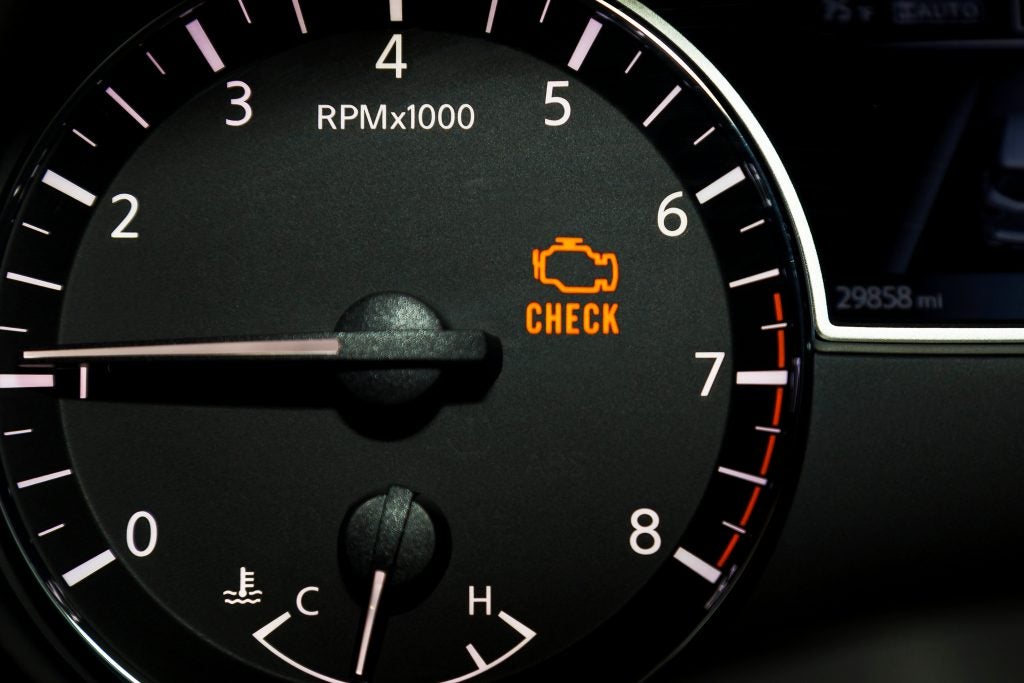
An image of an RPM gauge with the Check Engine light ignited, signifying you need auto service.

3 Services Offered by Your Volkswagen Dealer

A regular Volkswagen service schedule will keep your VW in great shape and enable it to perform at its best. The factory-trained technicians at a VW dealer know your car inside and out. They never view your vehicle as just another one of the many different types of cars they service. They view it as unique and specific. From taking care of your tires and wiper blades to overhauling your transmission system, check out three important services that your Volkswagen dealer will perform better than your neighborhood garage. more Transmission Fluid Replacement Transmission fluid is essential for your transmission, and maintaining it is among the most important aspects of regular automotive service. It coats all moving components with a friction-resistant covering that reduces wear and tear. As it moves, it cools the hot components and helps to lower the temperature in the transmission. It also provides the hydraulic power that enables the gears to shift smoothly. Over time, the fluid slows down and thickens as it accumulates dirt and minute metallic fragments. The thicker fluid provides fewer benefits for the transmission, and the fluid loses its heat-resistant properties. During a fluid replacement, we drain the old fluid, then remove the old transmission filter and install a new one. The transmission is then sealed again, and we refill it with fresh fluid. Tire Rotation Your tire tread slowly wears down due to friction against the surface. When the tread level drops to 2/32", the tire is worn and needs replacement. In addition, each tire position generates a specific wear pattern. If the same tire sections continue to suffer damage, leaks or blowouts can occur. We can extend your tire life by rotating your tires. It's a simple process that involves moving each tire from its current position to a new position. This reduces wear and tear on the same tire sections and enables all your tires to wear down at a relatively uniform rate. The exact positions the tires move to depend on the type of drivetrain on your VW. Once your tires are in their new positions, we rebalance them to further reduce tire wear. Wiper Blade Replacement It's easy to overlook the windshield wiper blades, at least until they're needed when heavy rains arrive. The wiper blades are made from rubber, which is the perfect medium to keep the windshield glass clean and protect it from damage. The rubber blades, however, wear down and can become damaged over time. The rubber will become less flexible, crack, and even pull away from the blade frame. Pieces of the worn rubber can break off. This will reduce your visibility in rainy conditions as the blades won't clear the windshield properly. In addition, the windshield wipers can scratch the windshield without the rubber between the arm and your windshield. Our technicians can replace the blades in minutes, and you'll be able to drive safely again in even the heaviest rain. These are just some of the services we can provide. We also offer service coupons that give you even more reasonable rates and discounts. Contact our service department at Auffenberg Volkswagen in Shiloh, IL.

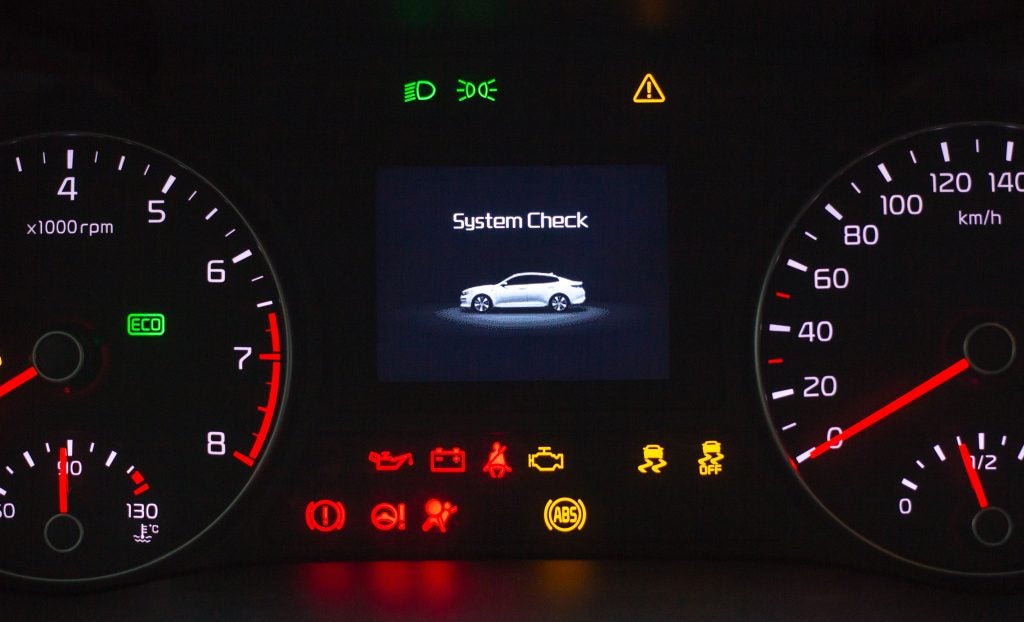
An image of a car dashboard with all of the dashboard warning lights illuminated.

Understanding Your Volkswagen's Dashboard Warning Lights

The warning lights on your dash give you a vital heads-up that your Volkswagen has a problem. This early warning gives you enough time to visit us so our VW-trained technicians can identify and repair the problem. Since a little education goes a long way, we like to provide an overview of what some of these dashboard warning lights mean so you can easily identify them if necessary. Learn what your dashboard warning lights signal, how to diagnose what’s wrong, and when to get into your Volkswagen dealer to seek service. more Check Engine Light This is both the most confusing and most important of your dashboard warning lights. It usually looks like a line drawing of an engine. Always pay attention to this light on your dash, as it illuminates in response to any problem that affects your engine or transmission. These two systems are the most vital in your VW, as the engine produces energy, and the transmission transfers this energy to the wheels, which enable them to move at the desired speed. ABS Light The ABS warning light means that this system isn't working and needs to be checked ASAP. ABS stands for Anti-lock Braking System. It's a safety feature that prevents your wheels from locking up. If your car starts to spin on a wet or muddy surface, the ABS will stop the wheels from locking. This will help you to control the wheels and prevent an accident. Oil Light The oil light is usually identified by a picture of an oil can. Oil is essential for your engine. It's pumped through your engine at speed, and it reduces wear and tear caused by friction damage by coating the components with a friction-resistance covering. Oil contains additives that reduce rust and break down potential blockages in the engine. A lack of oil can cause the engine to seize up and suffer fatal damage. Brake Light If your brake light comes on, it signifies a fault in the braking system. Your brakes are your VW's most essential safety feature, as they enable you to control, your speed and stop whenever you want to. A brake problem could mean a brake fluid leak, a jammed caliper, or a compromised brake pedal booster. We'll examine your brakes to find and fix the problem. EPC Light EPC stands for Electronic Power Control, and it represents a variety of systems, like cruise control, traction control, fuel injection throttle, or an issue with the accelerator pedal. The severity of the problem can vary, but it's important to have its cause investigated to prevent further damage. Check Battery Light This light looks like a picture of a battery, and it represents an issue with the electrical system. Some possible problems include a weakening alternator, a failing battery, or damaged wiring. Our technicians will trace the case of the problem and repair it. If you see these or any other red or yellow warning lights on your dash ​​​​​​​​​​​​​​​​​​​​illuminate, contact our service department right away at Auffenberg Volkswagen in Shiloh, IL.

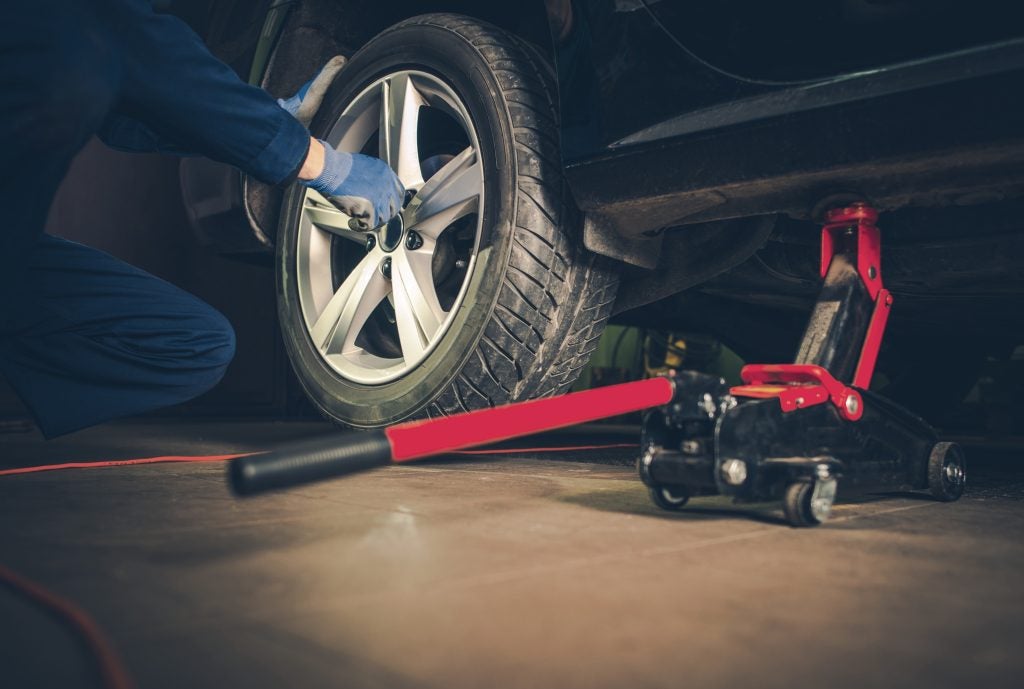
An image of a technician changing a tire.

Need New Tires? Visit Your Volkswagen Dealership

Well-maintained tires can last as long as 50,000 miles. However, sudden punctures, impacts with potholes, and uneven wear can all cause tires to wear out prematurely. Any such damage puts you at risk of experiencing a skid or blowout on the road and shouldn't be ignored. If you notice the following signs of trouble, visit your local Volkswagen dealership right away for a set of new tires. more Diminished Tread Depths The most common reason for replacing tires is worn-out treads. This means the tread depths have diminished to an unsafe level of shallowness, significantly reducing the tire's ability to maintain traction on the road. The minimum safe tread depth for tires is usually considered to be 2/32 of an inch. To stay safe, many drivers replace their tires even before their tire treads become this shallow. The old “Abe’s Head” trick can be used for a quick test – put a penny into your tread, Abe’s head first. If you can see the top of his head, it’s time for new tires! Unevenly Worn-Down Tires As car tires tend to wear down unevenly over time, it's best to have them rotated frequently. Regular rotation can usually mitigate or prevent the negative results of uneven tires. However, if your tires have become too uneven in wear and size, tire rotation might not be enough, and you might need to replace all four tires. Sidewall Cracks and Cuts Tire rubber has some moisture inside, which gradually dries out over time from exposure to the UV rays in sunlight. When the rubber becomes too dry, cracks may start to appear. As these cracks grow in size and number, they can eventually threaten the structural integrity of the tire. Any large cuts or cracks on the surface of a tire should be taken seriously. An external crack or cut might indicate a deeper internal fissure or even layers of rubber separating from each other. Any tire damaged this way is usually no longer safe to use. Bulges and Bubbles Sometimes something as simple as a hard bump over a pothole causes an internal puncture. When this occurs, as air escapes the inner layering, it can become trapped under the upper layer of rubber, creating a bulge. Also, blisters can form when inner layers of rubber separate from each other and create friction that leads to overheating. Unusual Vibrations If your ride stops being as smooth as usual, check your tires for signs of damage. While strange vibrations can be caused by a suspension fault, misaligned wheels, and other underlying problems, your tires might also be to blame. They could have become somehow uneven or one of them might have suffered damage. Visit Auffenberg Volkswagen in Shiloh, IL, today to have your tires rotated or replaced by qualified professionals. We're a local dealership that puts customer care and satisfaction first and foremost in all that we do.

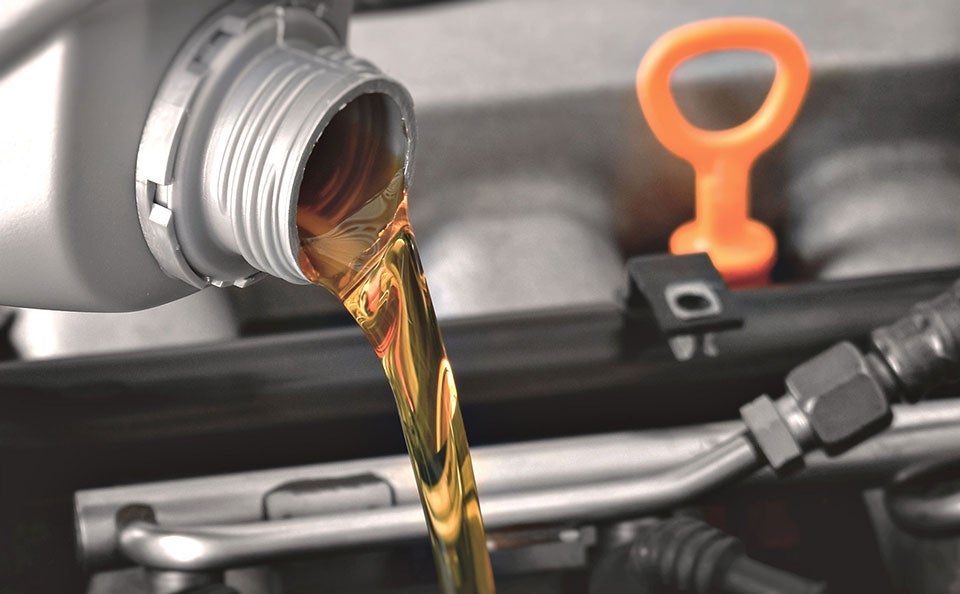
An image of oil being poured into an engine.

Is Your Volkswagen Due for an Oil Change?

The oil in your engine shields your engine from wear and tear damage, prevents corrosive damage to delicate parts, and ensures your engine is functioning at optimal efficiency. If you want to maintain the health and performance of your VW for several years to come, then scheduling a routine oil change at your Volkswagen dealer is essential. more Is Your Volkswagen Due for an Oil Change? As a general rule of thumb, you can schedule oil service for your VW once every six months. Modern engines tend to use synthetic or semi-synthetic motor oil, which when paired with contemporary engineering, means your motor oil will last for around 5,000 to 7,500 miles on average. Of course, your driving habits, such as how frequently you drive your car, may mean you need to schedule service more frequently. However, even if you don't put a lot of miles on your VW, it's still a good idea to schedule a six-month service since motor oil will degrade over time, even when the engine is not in use. Dashboard Indicator Lights If you notice your check engine light or oil light turning on your dashboard, then you should schedule service right away. These lights are connected to sensors in your vehicle that detect low engine levels or other issues that need to be resolved immediately. Unusual Sounds or Smells If you smell motor oil in the cabin of your vehicle, your car starts to emit exhaust smoke, or you hear your engine knocking, then the motor oil in your engine might be due for a change. Oil leaks and low motor oil can cause these issues. Why Should You Schedule Service at Your Volkswagen Dealer? The very best way to ensure your VW is taken care of is to have your vehicle serviced at your local dealership. Since motor oil is so crucial to the overall performance of your vehicle, it's essential to use the appropriate oil during your oil service. Your VW dealer has access to genuine motor oil that will enhance the performance of your engine, Additionally, your VW dealer can also complete other essential services for your vehicle during your appointment. An oil service is frequently paired with tasks such as a tire rotation, brake inspection, fluid top-offs, battery health checks, and more. If you notice any performance issues with your VW, you can mention these problems to your VW mechanic and trust that your dealership service team will resolve the issue. Whether it's a simple oil service or you want to take care of multiple maintenance tasks at once, the place to go for VW service is your local dealership. Book your service appointment at Auffenberg Volkswagen in Shiloh, IL by calling or filling out an online form today.

Contact Us

Fill out this form below and we'll contact you shortly
*Required Fields